
ISO 31000 Risk Management Framework: Implementation Guide and Enterprise Risk Management Insights
Organizations today operate in increasingly complex and uncertain environments. Rapid technological advancements, regulatory changes, cybersecurity threats, and economic fluctuations create risks that can significantly affect business operations and strategic goals. To manage these uncertainties effectively, organizations rely on structured risk management frameworks that provide clear guidance on identifying, assessing, and mitigating risks.
One of the most widely recognized frameworks for managing organizational risk is ISO 31000. This international standard provides comprehensive guidance on developing and implementing effective risk management practices across organizations of all sizes and industries.
Unlike many ISO management system standards, ISO 31000 is not designed for certification. Instead, it offers guidelines that help organizations integrate risk management into decision-making processes, governance structures, and operational activities. By implementing the ISO 31000 framework, organizations can enhance resilience, improve strategic planning, and create sustainable long-term value.
This guide explores the ISO 31000 risk management framework in detail, including its principles, framework components, risk management process, implementation strategies, industry applications, and consulting support.
What is ISO 31000 Risk Management?
ISO 31000 is an internationally recognized guideline that provides organizations with a structured approach to managing risk. Developed by the International Organization for Standardization, the standard helps organizations systematically identify risks, analyze their potential impact, and develop strategies to address them.
Risk management, according to ISO 31000, involves coordinating activities that help organizations direct and control risks effectively. The framework emphasizes that risk management should not be treated as a separate process but rather integrated into all organizational activities, including governance, planning, and decision-making.
Organizations implementing ISO 31000 benefit from a holistic approach to risk management that enables them to anticipate potential threats and respond proactively.
Key goals of ISO 31000 include:
- Improving organizational resilience
- Enhancing decision-making processes
- Supporting strategic planning
- Strengthening governance structures
- Reducing uncertainty in operations
By adopting the ISO 31000 risk management framework, organizations gain a structured methodology for managing risks and opportunities.
Understanding the ISO 31000 Risk Management Standard
The ISO 31000 risk management standard provides a flexible and adaptable framework that organizations can tailor to their specific needs. It is designed to be applicable across different sectors, industries, and organizational structures.
Unlike some ISO standards that define strict requirements, ISO 31000 provides principles and guidelines that help organizations build effective risk management systems.
The standard focuses on three major elements:
- Risk management principles
- Risk management framework
- Risk management process
These elements work together to ensure that risk management becomes an integral part of organizational culture and decision-making.
Evolution of the Standard
The current version of ISO 31000 was published in 2018, replacing the earlier 2009 version.
ISO 31000:2018 vs ISO 31000:2009
The 2018 update simplified the structure of the standard and strengthened its focus on leadership and integration. The revised version places greater emphasis on embedding risk management into organizational governance and decision-making processes.
Some of the key improvements introduced in the 2018 revision include:
- Simplified framework structure
- Stronger emphasis on leadership commitment
- Improved integration with organizational strategy
- Greater focus on continuous improvement
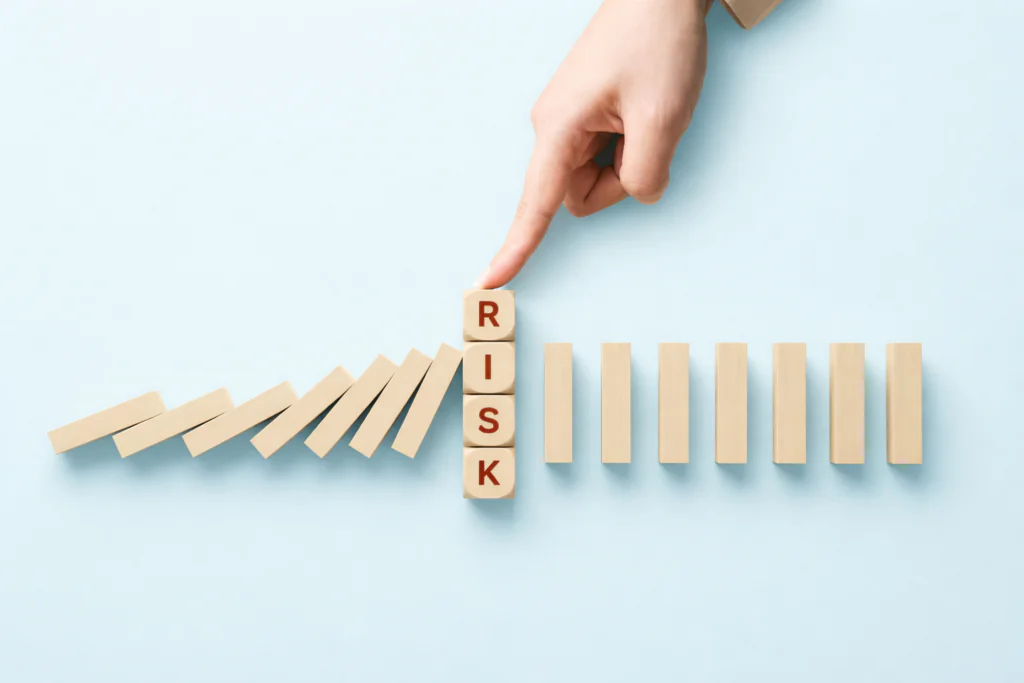
These changes ensure that ISO 31000 remains relevant in today’s rapidly evolving business environment.
ISO 31000 Principles of Risk Management
The ISO 31000 framework is built upon several guiding principles that ensure risk management is effective and value-creating.
These principles provide the foundation for designing and implementing risk management systems within organizations.
Integrated
Risk management should be embedded into all organizational activities and processes.
Structured and Comprehensive
A structured approach ensures consistency and effectiveness in identifying and managing risks.
Customized
Organizations should tailor risk management practices according to their specific context and objectives.
Inclusive
Effective risk management involves collaboration across departments and stakeholders.
Dynamic
Risk management systems must adapt to changing business environments and emerging threats.
Best Available Information
Decisions should be based on reliable data, expert insights, and up-to-date information.
Continuous Improvement
Organizations should regularly evaluate and improve their risk management systems.
These principles ensure that risk management supports organizational objectives while promoting resilience and sustainability.
ISO 31000 Risk Management Framework
The ISO 31000 framework provides a structured approach for integrating risk management into organizational processes.
It helps organizations design systems that align risk management activities with business strategy and governance.

Key Components of ISO 31000 Risk Management
The framework includes several key components that ensure risk management is effectively implemented and maintained.
These components include leadership commitment, integration into organizational processes, framework design, implementation, evaluation, and continuous improvement.
Leadership and Commitment
Leadership plays a crucial role in establishing a risk-aware organizational culture. Senior management must demonstrate commitment by allocating resources, defining risk policies, and promoting risk management practices.
Integration with Organizational Processes
Risk management should be integrated into strategic planning, operational processes, and decision-making activities.
Embedding risk management into existing processes ensures that risk considerations influence everyday business decisions.
Designing the Risk Management Framework
Organizations must develop policies, procedures, and governance structures that support risk management activities.
This includes defining roles and responsibilities, establishing communication channels, and implementing risk assessment methodologies.
Continuous Improvement in Risk Management
Risk management frameworks must evolve as organizations grow and face new challenges. Continuous monitoring and evaluation ensure that risk management practices remain effective and aligned with organizational objectives.
ISO 31000 Risk Management Process
The ISO 31000 risk management process provides a systematic approach to identifying, analyzing, evaluating, and treating risks.
Risk identification involves recognizing potential events that could affect organizational objectives.
Risk Identification
Examples of common risks include operational disruptions, cybersecurity incidents, regulatory changes, and financial instability.
ISO 31000 Risk Assessment
Risk assessment evaluates the likelihood and impact of identified risks.
Organizations use risk assessment techniques to prioritize risks and determine appropriate mitigation strategies.
Risk Evaluation
Risk evaluation compares analyzed risks against predefined risk criteria to determine whether they are acceptable or require treatment.
Risk Treatment Strategies
Risk treatment involves implementing actions that reduce the likelihood or impact of risks.
Common risk treatment strategies include risk avoidance, mitigation, transfer, and acceptance.
Monitoring and Review
Risk management is an ongoing process. Organizations must continuously monitor risks and review mitigation strategies to ensure effectiveness.
Enterprise Risk Management Using ISO 31000
Enterprise Risk Management (ERM) involves managing risks across the entire organization rather than addressing them individually within departments.
ISO 31000 provides a strong foundation for developing enterprise risk management frameworks that integrate risk governance with strategic planning.
By implementing ERM using ISO 31000, organizations can:
- Identify strategic risks
- Improve decision-making processes
- Strengthen governance structures
- Enhance organizational resilience
Many organizations seek guidance from experienced enterprise risk management consultants when implementing ERM frameworks.
Benefits of ISO 31000 for Organizations
Organizations implementing ISO 31000 gain numerous strategic and operational benefits.
Improved Decision-Making
Structured risk analysis helps organizations evaluate potential threats before making important decisions.
Enhanced Organizational Resilience
Risk management frameworks prepare organizations to respond effectively to disruptions.
Stronger Governance
Risk management supports transparency, accountability, and responsible decision-making.
Improved Compliance
Organizations can identify regulatory risks and implement controls to maintain compliance.
Better Resource Allocation
Risk prioritization allows organizations to focus resources on the most critical risks.
Industries That Use ISO 31000 Risk Management
ISO 31000 is widely adopted across various industries due to its flexibility and adaptability.
Financial Services and Banking
Banks and financial institutions use ISO 31000 frameworks to manage credit risk, operational risk, and regulatory compliance.
Manufacturing and Supply Chain
Manufacturers rely on structured risk management to manage supply chain disruptions, equipment failures, and quality risks.
Healthcare Organizations
Healthcare institutions implement risk management frameworks to enhance patient safety and regulatory compliance.
Technology and IT Companies
Technology companies manage risks related to cybersecurity, system failures, and data privacy.
Construction and Infrastructure
Large infrastructure projects involve financial, operational, and safety risks that require structured risk management approaches.
Government and Public Sector
Public sector organizations adopt ISO 31000 to improve governance, transparency, and policy implementation.
ISO 31000 Implementation Guide
Implementing ISO 31000 requires a structured and strategic approach.
How to Implement ISO 31000 in an Organization
Organizations should begin by understanding their internal and external context.
Establishing a Risk Management Policy
Developing a formal risk management policy ensures alignment with organizational objectives.
Developing a Risk Register
Risk registers help organizations document identified risks, their impact, and mitigation strategies.
Integrating Risk Management into Business Processes
Risk management should be embedded into operational activities, strategic planning, and performance management.
Many organizations seek ISO 31000 implementation consulting to ensure a smooth and effective implementation process.
Challenges in Implementing ISO 31000
Despite its benefits, organizations may encounter challenges when implementing ISO 31000.
Lack of Leadership Commitment
Without strong leadership support, risk management initiatives may lack resources and direction.
Difficulty Identifying Organizational Risks
Organizations may struggle to identify risks across complex business environments.
Limited Risk Management Culture
Employees may resist adopting new risk management processes.
Integration with Existing Processes
Aligning risk management with existing workflows can be challenging.
Resource and Training Limitations
Organizations may lack the expertise required to implement effective risk management systems.
Professional risk assessment consulting and advisory services can help organizations overcome these challenges.
ISO 31000 vs COSO ERM
ISO 31000 and the COSO Enterprise Risk Management framework are two widely used risk management frameworks.
ISO 31000 provides flexible guidelines applicable across industries, while COSO ERM focuses more heavily on internal control systems and governance structures.
Both frameworks aim to improve risk management practices and organizational resilience.
ISO 31000 vs ISO 27005
Organizations managing information security risks often compare ISO 31000 with ISO 27005.
While ISO 31000 provides general risk management guidance, ISO 27005 focuses specifically on managing information security risks.
Many organizations integrate ISO 31000 with **ISO 27001 to strengthen cybersecurity governance.
How ISO 31000 Integrates with Other ISO Standards
ISO 31000 can be integrated with various ISO management system standards to strengthen governance and risk management practices.
ISO 31000 and ISO 27001 Integration
Risk management principles from ISO 31000 support information security management systems.
ISO 31000 and Business Continuity
Organizations implementing ISO 22301 use ISO 31000 to identify and manage disruption risks.
ISO 31000 and Compliance Management
Compliance programs aligned with ISO 37301 benefits from structured risk management frameworks.
ISO 31000 Consulting and Enterprise Risk Management Support
Many organizations require professional guidance to implement effective risk management frameworks.
Expert ISO risk management consulting services help organizations design and implement structured systems aligned with international standards.
Consulting services typically include:
- ISO 31000 implementation consulting
- Enterprise risk management consulting
- Risk assessment consulting
- Risk management training
- Governance and compliance integration
At Certmaxx, experienced consultants help organizations develop practical risk management frameworks aligned with ISO 31000 guidelines.
Our experts assist organizations in identifying risks, designing enterprise risk management frameworks, and implementing effective mitigation strategies.

Working with experienced ERM consulting services providers enables organizations to build resilient risk management systems that support long-term growth and operational stability.
Getting Started with ISO 31000 Risk Management
Organizations that aim to improve resilience, strengthen governance, and make informed strategic decisions increasingly recognize the importance of structured risk management frameworks. Implementing the ISO 31000 risk management framework enables organizations to systematically identify risks, evaluate their potential impact, and develop proactive mitigation strategies.
However, successful implementation requires more than simply understanding the framework. Organizations must integrate risk management into their governance structures, operational processes, and strategic planning activities. This often involves developing risk policies, establishing risk registers, training teams, and aligning risk management practices with organizational objectives.
Many organizations choose to work with experienced risk management consultants to ensure the framework is implemented effectively. Professional consulting support can help organizations design enterprise risk management systems, conduct risk assessments, and integrate ISO 31000 with other management system standards.
At Certmaxx, organizations receive expert guidance in developing practical risk management frameworks aligned with ISO 31000 guidelines. From risk assessment and policy development to enterprise risk management implementation and training, experienced consultants help organizations build sustainable risk management systems that support long-term growth.
Organizations that adopt a structured risk management approach not only reduce uncertainty but also create stronger foundations for strategic decision-making, operational resilience, and regulatory compliance.
- ISO 31000 Risk Management Framework: Implementation Guide and Enterprise Risk Management Insights
- What is ISO 31000 Risk Management?
- Understanding the ISO 31000 Risk Management Standard
- ISO 31000 Principles of Risk Management
- ISO 31000 Risk Management Framework
- ISO 31000 Risk Management Process
- Enterprise Risk Management Using ISO 31000
- Benefits of ISO 31000 for Organizations
- Industries That Use ISO 31000 Risk Management
- ISO 31000 Implementation Guide
- Challenges in Implementing ISO 31000
- ISO 31000 vs COSO ERM
- ISO 31000 vs ISO 27005
- How ISO 31000 Integrates with Other ISO Standards
- ISO 31000 Consulting and Enterprise Risk Management Support
- Getting Started with ISO 31000 Risk Management
FAQ